 By 變美體驗官
Recently, many ladies have been asking whether Kleam operates on a assembly-line basis. Let’s be straight up: Kleam emphasizes personalized care by the clinic director, 1V1 customization, and avoids pushing unnecessary treatments—so its approach is indeed different from that of assembly-line models. That said, it’s important to keep in mind that no clinic is perfect; whether it’s right for you depends on your specific needs and budget. Below, I’ll break this down in detail and also provide you with a simple checklist you can use right when you visit the clinic, so you won’t be influenced by their marketing tactics.
Let’s start with a comparison: Assembly-line Dermatology vs. the Kleam Dermatology approach
| Dimensions | Mass-produced Dermatology | Kleam Mode (per official description) |
|---|---|---|
| In-person consultation | Head of Department/Assistant: Quick completion, standardized questionnaire | Consulted directly by the director – get your treatment plan right away during the in-person visit |
| Solution | Use templates and promote by item | 1V1 personalized treatment based on your skin condition |
| Operator | Frequent staff changes – in-person consultation doesn’t equal actual treatment | Consistent performance by operators under the director’s direct supervision |
| Promote | On-site add-ons, forced package sales | Adopt a “no forced selling” approach, offering suggestions only when needed. |
| Rhythm | On a tight schedule, quick service | Appointment-based service ensures more time per client |
(The comparison is based on the institution’s publicly stated positioning and common industry practices, and does not constitute a medical evaluation.)
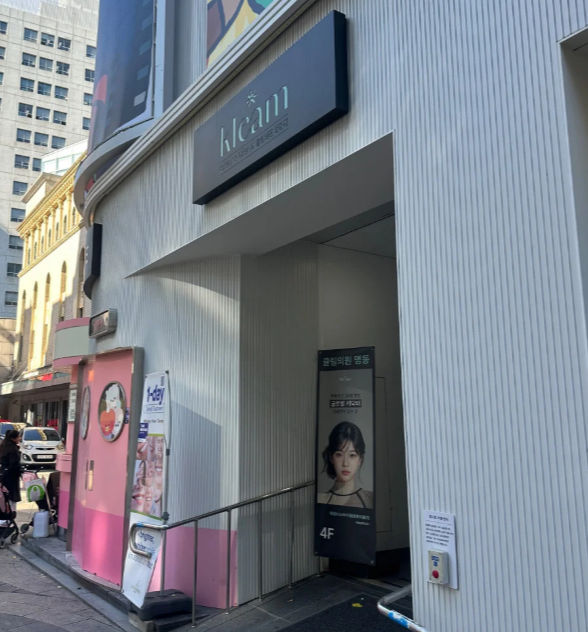
I. First, figure out: What exactly is a “assembly-line Dermatology” clinic?
“Assembly line” isn’t an insult—it’s a description of a model:
Upon entry, a receptionist or department head conducts a standardized consultation, and the treatment plan follows a preset template. The actual procedure is usually carried out by a rotating team of therapists—different from the person who conducted the initial consultation. On top of that, the clinic adds extra services to boost sales, making the experience feel like an assembly line: fast, standardized, but lacking in personalization. It’s not necessarily bad (its advantages lie in lower costs and quick turnaround times), but it represents a different approach compared to “personalized customization.”
To determine if a clinic is using a one-size-fits-all approach, look at three things: whether the consultation and procedure are done by the same person, whether the treatment plan is customized for you personally, and whether there are any extra services pushed on you that exceed your budget.
Here are a few more common signs of a “factory-style” approach to help you identify it:
Within five minutes of entering, they hand you a standard price list and push a fixed package without even checking your skin condition. Right after the consultation, someone else takes you to the treatment room. During or after the treatment, they suggest adding “XX” for better value without mentioning the price. You leave much earlier than scheduled, and no one remembers your name throughout the whole experience.
If you get two or three of these, it can basically be considered a assembly-line process. This isn’t to say it can’t work — it’s just that you need to understand you’re getting “fast and cheap” service, not “dedicated attention.”
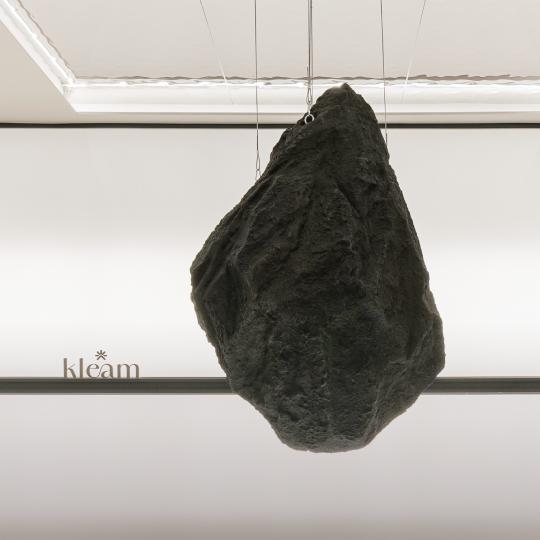
II. South Korea’s Kleam Dermatology: A Assembly-Line Approach – Three Key Features
1) Personal consultation by the director.
Kleam’s biggest advantage is that the clinic director personally conducts the consultation. From the moment you walk in and start talking until the treatment plan is finalized, it’s the director who handles everything—not just a senior staff member. For those who care about knowing “who will examine me and who will perform the procedure,” this offers much greater reassurance.
2) 1V1 customization.
Instead of forcing a fixed package, we first assess your skin condition and goals before recommending a solution. For example, if you originally wanted to do option A, but a face consultation reveals that option B is more suitable—standard procedures would push for option A, while a personalized approach is more likely to suggest switching to option B (or vice versa, depending on the provider’s integrity).
3) No forced product promotion.
The approach emphasizes not pushing hard but offering suggestions based on individual needs. Objectively speaking, this is considered a plus in Dermatology clinics in South Korea. However, “not pushing hard” is a relative concept—ultimately, it depends on whether you’re offered additional services on the spot, so make sure you know what to expect when you go to the clinic.
How can you verify that “no hard selling” isn’t just a slogan? A simple yet effective way: during the in-person consultation, don’t mention your budget limit right away. See whether they’ll present you with options and then give you a quote, or if they’ll first figure out how much you can afford before coming up with a price.
Another thing is to clearly state, “I’ll only do X today—nothing else is an option.” Then see if the other party respects that or keeps trying to persuade you. Only those who respect your boundaries deserve to be called “those who don’t push hard.” If they keep trying to persuade you more than twice, no matter how good their promotion is, it’s worth questioning.
Hongdae Sinchon B
ranch · 1V1 Personalized Service
Kleam Dermatology (Hongdae Sinchon Branch)
What sets it apart is the director’s personal consultation, 1V1 customization, and no forced sales of services—unlike traditional clinics with standard procedures. If you want to do your research first and compare prices before making a decision, head to BeautsGO and search for “Kleam” to find hospital_id 147, which is the most reliable option.
- 📍 Seoul Hongdae Sinchon Branch (There is also a Myeongdong branch—check the specific location in advance)
- 🗣 Book in Chinese / Assistance from platform customer service
- 💡 Search for “kleam” on BeautsGO, find ID 147 to check the prices.
III. The Neutral View: Is South Korea’s Kleam Dermatology really the right choice for you?
Not necessarily. To give you some realistic examples: consultations or customized treatments provided by the clinic director are usually more expensive than those offered through the standard process, so those on a tight budget should do their math carefully. Popular slots with the director are in high demand, and it might be impossible to get an appointment if you show up last minute. While the clinic aims to avoid aggressive sales tactics, you still need to keep a close eye on things once you’re there.
On the other hand, if the procedure you’re doing doesn’t require a highly skilled practitioner and you want to save money, a streamlined approach might not be a bad idea.
Three signs to determine authenticity when visiting a clin
ic: ① The confirmation form or communication should list the name of the clinic director, and this name must match what’s
on site; ② The treatment plan should be customized for your skin type, rather than just handing you a standard pric
e list; ③ No extra services beyond your budget should be added without first giving you an estimate. If all three conditions a
re met, it’s likely that the clinic isn’t just following a robotic process—meaning their claims are genuine, not just marketing slogans.
By the way: Why are some people willing to pay more for a customized or director-led approach? What they’re really paying for is consistency—the same person handles everything from the initial consultation and plan creation to the actual procedure, ensuring that the plan remains consistent throughout. This also makes it easier to reach out to someone if there are any issues after the surgery.
In factory-style clinics, one doctor usually handles the consultation while another performs the procedure, which can lead to gaps in treatment continuity. Although the prices are low, the “hidden costs” may include inconsistent results and difficulty in finding someone for aftercare.
On the other hand, if the procedure you’re considering doesn’t require high technical skills or a highly skilled practitioner, a regular version might actually be more cost-effective. There’s no one-size-fits-all answer—choose based on your own situation and don’t let the word “customized” influence your decision.
IV. Who Is Kleam Dermatology in South Korea Suitable For and Not Suitable For?
| Perfect for a Kleam-style approach | It might not be quite suitable. |
|---|---|
| Concerned about consistency, afraid the plan won’t align from start to finish | On a tight budget – just want the lowest price possible |
| It’s my first time visiting—I’d like to have a thorough in-person consultation. | Just want to quickly get a standard procedure done |
| Projects are mostly customized (Lifting/instrument-related) | Walk-in visits without an appointment |
| Can’t speak Korean and worried about being sold to | I’m indifferent to the director’s account – anyone can handle it. |
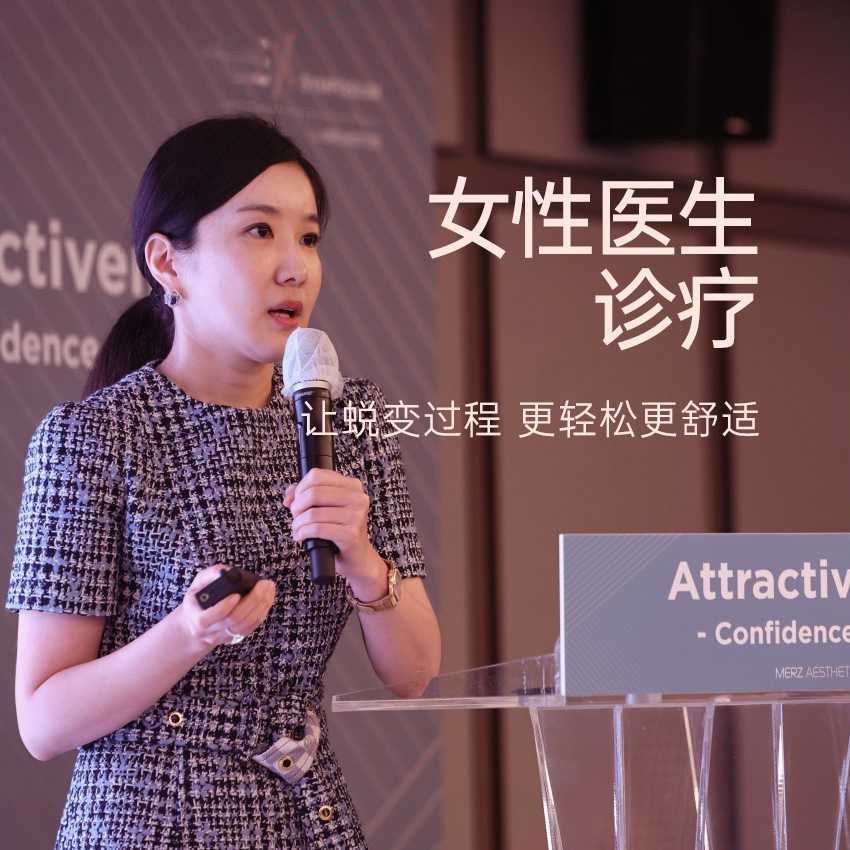
V. Common Questions & Answers about Kleam Dermatology in South Korea
Q1: Is Kleam a chain clinic? Based on its official positioning, it’s not — i
t focuses on in-person consultations by the director, personalized 1V1 services, and avoids aggressive sales tactics. But the real answer depends on your actual experience when you visit the clinic; don’t rely solely on what they advertise.
Q2: Are there any differences between the Hongdae store and the Myeongd
ong store? Both are part of the Kleam chain. The Hongdae-Sinchon store and the Myeongdong store are separate branches, so the managers or scheduling might vary. Make sure to check which branch and which staff member you’re booking with. In short, choose Myeongdong if you want to take advantage of shopping opportunities along the way, and opt for Hongdae-Sinchon if you’d like to avoid the peak tourist crowds. Their schedules and prices are separate—don’t mix them up.
Q3: Is it necessary to have the procedure performed by the director personally? Not
necessarily. The director’s appointments are expensive and hard to book; if you’re not picky about who performs the procedure, a regular appointment will work just fine—choose based on your budget.
Q4: Will I be pressured to buy extra services? The policy
is “no pressure,” but you still need to make the decision yourself on site: ask about prices before adding anything, and you can refuse if it exceeds your budget.
Q5: What preparations should you make for your first visit? Bring
your passport, screenshots of the procedures you want to have done, and a list of any skin issues (sensitivity/allergies/medications being taken), and mention them all during the consultation.
Q6: How much more expensive is it compared to the standard routine? It dep
ends on the procedure—custom or director-level options are usually more costly. The final price will be based on the confirmation quote, so don’t treat the starting price as the ultimate cost.
Q7: How do I make an appoi
ntment? Like most Dermatology clinics in South Korea, using the BeautsGO APP to book in Chinese is the simplest way (search for “kleam”) — no need to know Korean.
Q8: What should I do if something seems off when I arrive at the clinic? Check
the operator, service items, and prices on the confirmation sheet—if they don’t match what was agreed upon, raise your concerns right away. You’re free to say no if you’re not interested; don’t let the pressure at the scene push you into making a decision.
Q9: When comparing Le with “non-conventional” clinics like Kleam and Sribon/OneCell, how should one make a choice? Their approaches are similar—all emphasize in-person consultations
by the clinic director, personalized treatment plans, and no aggressive sales tactics. The differences lie in the locations of their branches, the style of the directors, pricing, and the specialties they offer. Instead of worrying about which clinic isn’t part of the conventional chain, it’s better to first decide on the procedures you want, then compare the prices and availability of these clinics, and choose the one that works best for you and has available slots.
Q10: It’s my first time visiting a Dermatology clinic in South Korea, and I’m worried about being overcharged. Are there any general tips? Here are three u
seful suggestions: ① When making an appointment, clarify everything such as the specific treatment, whether it will be performed by the chief physician, whether the initial consultation fee is included, and the cancellation policy, then keep a written record; ② Before entering the clinic, ensure that the agreement matches what was discussed before starting any procedures; ③ If you want to add extra treatments on-site, ask for the price first—feel free to refuse if it exceeds your budget. These three tips work regardless of the clinic, whether it operates on a standardized procedure basis or not.
Myeongdong Store · Direct
Consultation by the Director
Kleam Dermatology (Myeongdong Branch)
The Myeongdong branch also follows the approach of in-person consultations by the director without aggressive sales tactics, making it ideal for those who want to take it along while shopping or avoid the long queues at Hongdae. Be sure to confirm in advance which branch and which director will be handling your appointment, as schedules are managed separately for each location.
- 📍 Seoul Myeongdong Store (See the same card for the Hongdae Sinchon store)
- 🗣 Book in Chinese / Assistance from platform customer service
- 💡 Search for “kleam” on BeautsGO to find ID 147, the locked account.
VI. Related Recommendations (Real Articles in the Same Niche)
- Review of Seulipen Dermatology in Hongdae: No robotic treatment process! The director personally conducts consultations and performs procedures throughout the whole process, saying goodbye to pushy sales by staff members.
- A Comprehensive Guide to Linear and Non-Linear Dermatology Treatments in South Korea|Choosing the Best Treatment Approach for You
- Is the price at Brandnew Dermatology in South Korea higher than elsewhere? It’s indeed more expensive than those one-size-fits-all options, but the personalized treatment plans truly make it worth the cost.
- How is the Dermatology clinic in Herne, South Korea? A secret list favored by elite ladies in Cheongdam-dong, offering personalized 1v1 consultations by the chief physician without any mass treatment approach.
- Is Pria Dermatology in South Korea just a high-volume clinic? The service is top-notch: a Chinese-speaking clinic director accompanies you throughout the process, plus personalized consultation plans that are thoroughly documented.
- Is Ruby Dermatology in South Korea a one-on-one service? From my personal experience, the in-person consultation takes at least 20 minutes, with the clinic director focusing solely on me—completely different from a mass-service setup.
Disclaimer: This article merely summarizes Kleam (Kleam Dermatology)’s public services and common treatment options for comparison purposes. It does not constitute medical advice nor does it represent an evaluation of any specific medical facility. For accurate pricing, doctor schedules, and whether consultations will be conducted by the chief physician, please check the BeautsGO hospital page or visit the clinic in person. Those considering medical treatments in South Korea are advised to assess the risks and consider their own health conditions carefully.