By 變美體驗官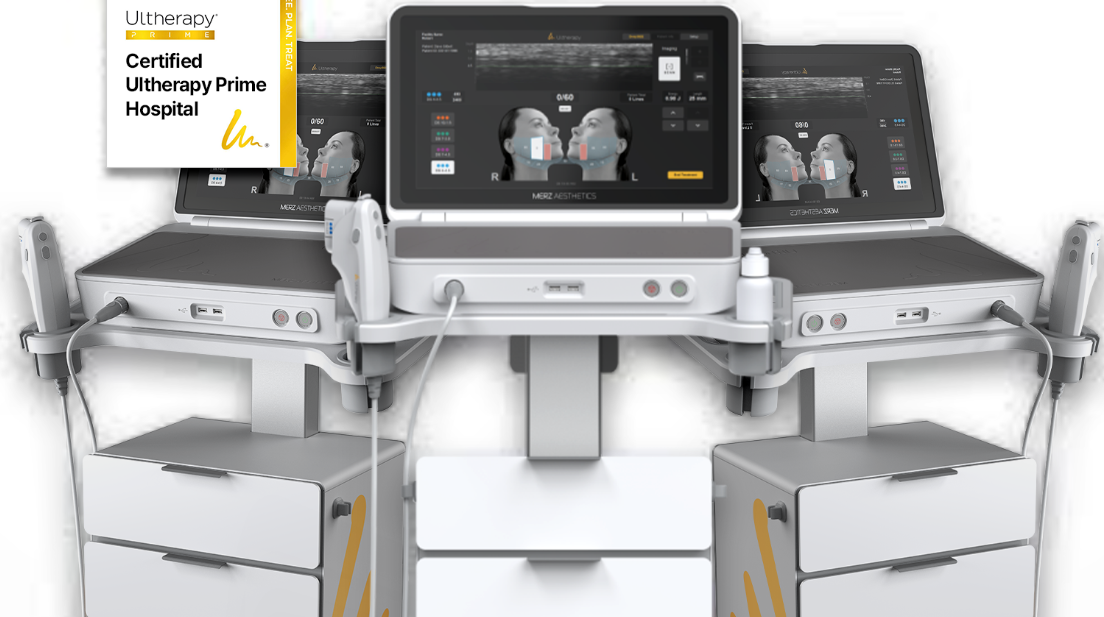
In recent years, non-invasive treatments for enhancing skin tightness have become a popular choice among those interested in beauty. Ulthera, an ultrasound-based treatment device approved by the US FDA, has always been one of the most recognized brands in this market. With the introduction of the second-generation Ulthera in the United States, many people are wondering: what are the differences between this upgraded version and the previous one? This section will provide an in-depth analysis of how the second-generation Ulthera works, its actual effects, the suitable candidates for treatment, and important considerations to help you make the best decision for yourself.
What is the second-generation Ulthera in the United States?
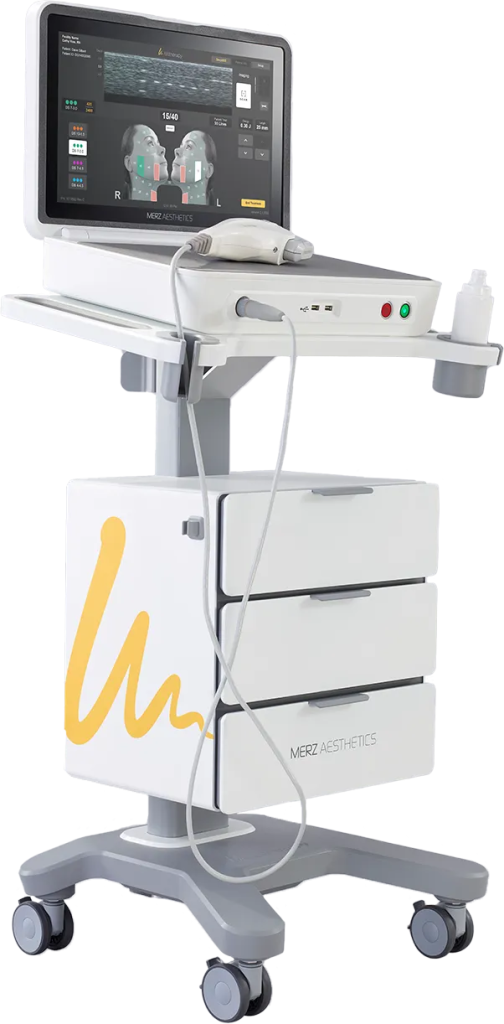
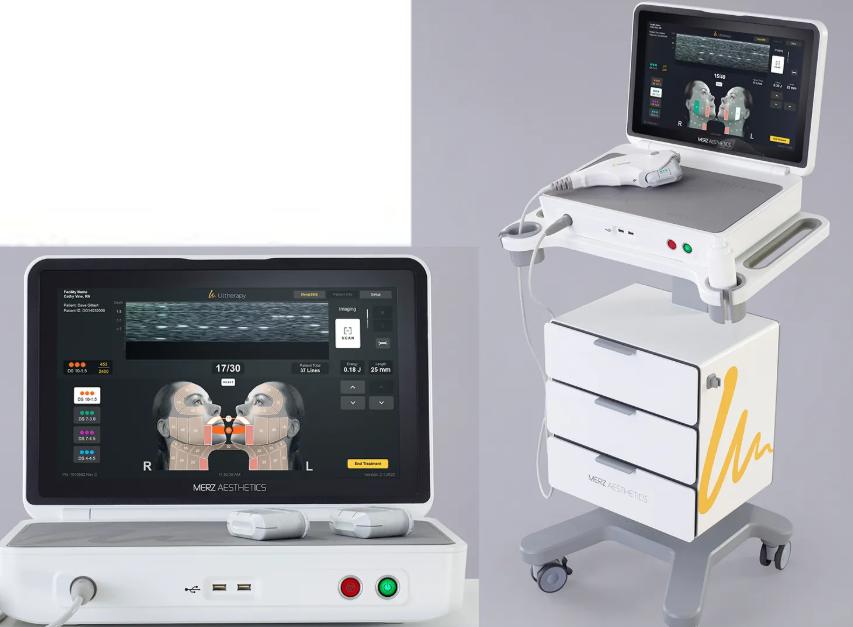
Ulthera, also known as “HIFU” in Chinese, is a high-intensity focused ultrasound medical device developed by Merz Aesthetics in the United States. The second-generation Ulthera has undergone technical improvements based on the original model, with the main enhancements including:
- More stable probe energy: The new generation of transducer technology ensures higher consistency in the energy delivered at each focal point, reducing variations in treatment results caused by energy fluctuations.
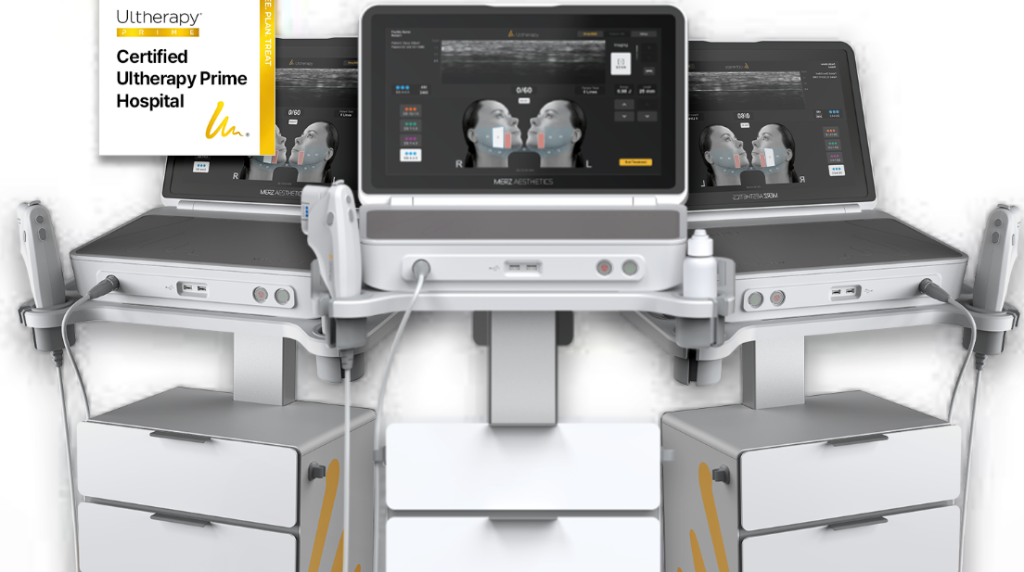
- Real-time imaging guidance (DeepSEE™ technology): The built-in ultrasound imaging system allows practitioners to clearly see the layers of subcutaneous tissue, enabling precise control of the energy delivery depth (1.5mm, 3mm, 4.5mm) and preventing accidental damage to blood vessels or nerves.
- More treatment lines: A single session can deliver more focal lines, resulting in a more comprehensive treatment area and significantly improved efficiency.
- Enhanced comfort: Some operational parameters have been adjusted, and when used in conjunction with specialized topical anesthetics, the overall discomfort during treatment is lower than with the first generation.
How does the second-generation Ulthera work?
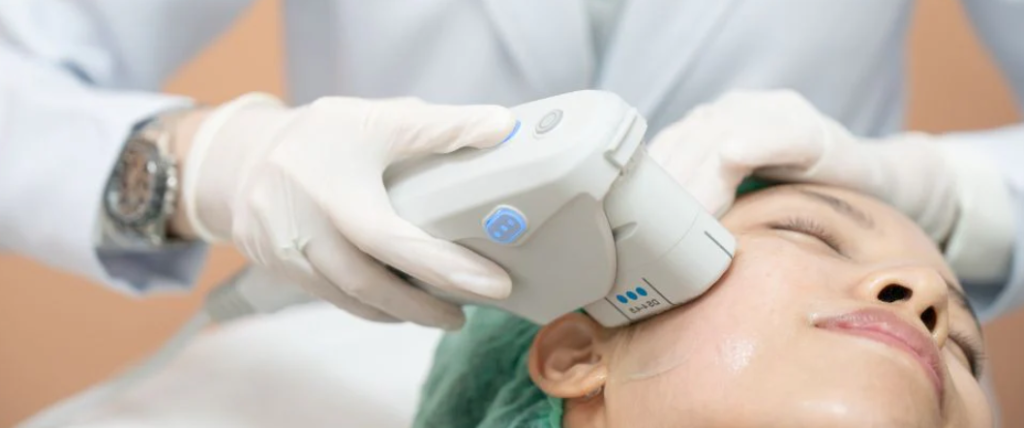
The core principle of the Ulthera treatment is high-intensity focused ultrasound (HIFU). This technology precisely targets specific deep skin tissues, generating local heat concentrations of around 60°C to 70°C, which cause thermal coagulation. This process triggers a three-step chain reaction within the affected areas:
- SMAS fascia layer tightening: Energy is applied to the SMAS fascia layer, located 4.5 mm beneath the skin’s surface—a depth that can only be reached through traditional facelift surgeries. The heated fascia tightens, providing an internal lifting effect that lasts longer.
- Collagen regeneration in the dermis: The 3-mm deep dermis is stimulated by heat, triggering the body’s natural collagen repair process. New collagen production helps the skin become fuller and more elastic over time.
- Superficial skin tightening: The 1.5-mm treatment targets the upper layers of the skin, reducing fine lines and improving texture, while also making the overall complexion more even and radiant.
The combined action of these three layers targets sagging skin from within, which is the fundamental difference between Ulthera and other superficial beauty devices.
III. The actual effects of the second-generation Ulthera ultrasonic device
- Facial lifting and contour reshaping
This is Ulthera’s most core benefit. Clinical data show that over 80% of patients experience noticeable improvements within 3 to 6 months after treatment, with specific effects including:
- The apples of the cheeks move upward, giving them more fullness and definition
- Smile lines are reduced, and the drooping at the corners of the mouth improves
- The jawline becomes more defined, and “marionette lines” are significantly diminished
- Tones the neck and improves the appearance of chicken neck (wrinkles and loose neck muscles).
- Duration of effects
The improvements from the second-generation Ulthera usually become apparent gradually 1 to 3 months after the treatment, with the best results occurring around 3 to 6 months, when new collagen has fully formed and reorganized. The overall effects can last for 12 to 24 months, and some patients with good skin conditions and proper maintenance may experience even longer-lasting results.
- Second generation vs first generation: Differences in effectiveness
According to clinical reports and user feedback, the main differences between the second-generation Ulthera and the first generation are as follows:
- More even results: Improved stability of energy delivery reduces the uneven distribution of sensations, where some areas may feel the treatment while others do not.
- Higher safety: Real-time imaging guidance helps doctors avoid dangerous areas, reducing the risk of post-treatment redness, bruising, or nerve irritation.
- Increased efficiency: More treatments can be performed in the same amount of time, covering a larger area and minimizing missed spots.
- Faster recovery: With optimized settings, immediate redness typically subsides within 24 hours, allowing patients to return to their daily activities without disruption.
IV. Who is suitable for the second-generation Ulthera treatment?
Ulthera is suitable for the following groups of people:
- People aged 30 to 60 who are experiencing skin laxity, sagging, or deepening of nasolabial folds
- Those who want non-surgical rejuvenation and are unwilling to take the risks associated with surgical facelifts
- People whose facial contours have become blurred and who wish to redefine their jawline
- Those with loose neck skin and visible neck wrinkles who prefer non-surgical solutions
- People who have undergone surgical facelifts but are seeing a decline in results and wish to maintain the benefits
Not suitable for: People with severe skin laxity who require surgical facelifts; those with metal implants such as pacemakers; individuals with active infections or wounds in the treatment area; pregnant or breastfeeding women; and those with contraindications to ultrasound therapy.
V. Precautions before and after the treatment
Before the treatment:
- Consult a doctor and provide a complete medical history, list of medications taken, and any previous cosmetic treatments received.
- If you have recently received hyaluronic acid or botulinum toxin injections, it is recommended to wait at least 2 weeks before undergoing this treatment.
- On the day of the treatment, clean your face thoroughly and avoid wearing makeup.
- You may apply a topical anesthetic ointment (prescribed by a doctor) in advance to reduce discomfort.
After the treatment:
- In the initial 24 to 48 hours, mild redness and a feeling of warmth may occur; these are normal reactions.
- Some people may experience slight soreness, which usually subsides within 1 to 2 weeks.
- Avoid taking saunas, soaking in hot water, or engaging in strenuous exercise immediately after the treatment.
- Increase hydration and use sun protection with an SPF of at least 30 to help your skin heal.
- It is recommended to wait at least 12 months before undergoing another treatment to prevent excessive irritation.
VI. Frequently Asked Questions about Ulthera HIFU
Q1: How much does a single session of the second-generation Ulthera cost? Prices vary s
ignificantly depending on the region and the number of treatment lines used. In Taiwan, the fee is generally around NT$40,000 to NT$100,000 (depending on 600 to 1,200 treatment lines for the entire face); in Hong Kong, it’s approximately HK$8,000 to HK$30,000; in first-tier cities in mainland China, it’s around CNY 8,000 to CNY 25,000. The quality of the American-made equipment and the experience of the practitioner are key factors affecting the price; do not solely focus on low costs.
Q2: Are the effects of Ulthera immediately visible? There
may be a slight immediate improvement after the treatment, but this is mainly due to the temporary effect of skin contraction caused by heat. True results will become apparent after 1 to 3 months, as collagen gradually regenerates. Please do not judge the effectiveness within one week after the treatment.
Q3: Can Ulthera make the face look slimmer? It
s primary function is to enhance skin tightness, not to directly reduce fat. However, since the tightened skin makes the facial contours more defined, it can visually give the appearance of a slimmer face. For more significant fat reduction, treatments such as Coolsculpting can be considered in combination.
Q4: How many days of rest are needed after an Ulthe
ra treatment? Ulthera is a “zero downtime” procedure, so most people can return to work and normal activities immediately after the treatment. Mild redness usually subsides within a few hours; in very rare cases, there may be slight bruising, which will disappear within 1 to 2 weeks.
If you have any questions, you can download the BeautsGO app for more detailed information.
VII. Conclusion: Is the second-generation American-made Ulthera worth considering?
Based on clinical data and user feedback, the second-generation American-made Ulthera remains a leader among non-surgical rejuvenation treatments. Compared to lower-priced imitation devices on the market, the original American version offers more predictable and safer results thanks to its stable energy output, DeepSEE™ real-time imaging technology, and strict FDA safety certifications.
If you are experiencing mild to moderate skin laxity, do not want to take the risks associated with surgery, and are seeking long-lasting, natural results, the second-generation American-made Ulthera is one of the most worthwhile investments in non-surgical anti-aging treatments today. It is recommended to choose a professional clinic authorized to use genuine American-made equipment and where experienced practitioners are available. Make sure to receive thorough consultation before starting the treatment to ensure the best plan suited to your skin condition.
※ The information in this article is for reference only. Actual results may vary depending on individual skin type, age, lifestyle, and the skills of the practitioner. Please consult a professional doctor for a face-to-face assessment before deciding to undergo the treatment.